
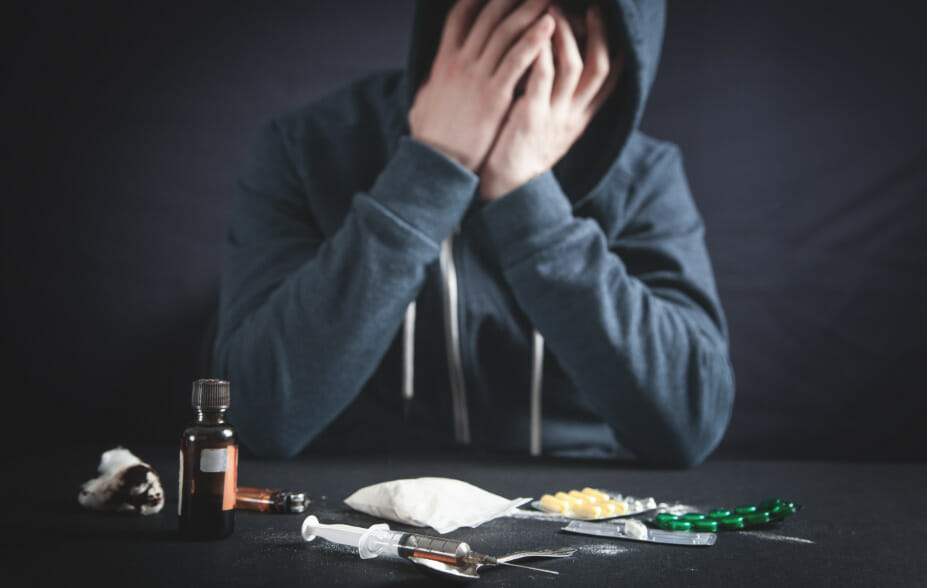
Effective recovery today looks very different from the outdated idea that addiction treatment is simply about stopping substance use. True recovery is a process of healing, rebuilding, and learning how to create a healthier life. For many individuals, addiction is connected to deeper emotional struggles, mental health challenges, trauma, and life circumstances that require compassionate support. At Alternative Help, we believe modern addiction and mental health treatment should address the whole person through personalized care, evidence-based approaches, and holistic healing.
Understanding what effective recovery really looks like can help individuals and families make informed decisions when seeking support.
Modern Addiction Treatment Focuses on the Whole Person
Addiction affects more than behavior. It impacts relationships, emotional health, physical wellness, and daily functioning. Because of this, effective treatment must go beyond addressing substance use alone.
Addressing the Root Causes of Addiction
Many individuals struggling with addiction are also experiencing underlying issues such as:
- Anxiety or depression
- Trauma and painful life experiences
- Chronic stress
- Emotional challenges
- Difficulty managing difficult situations
Modern addiction treatment focuses on identifying these underlying factors and creating healthier ways to cope.
Instead of asking only, “How do we stop the addiction?” effective programs also ask, “What does this person need to heal and move forward?”
The Importance of Integrated Mental Health Care
Mental health support is a critical part of successful addiction recovery. When mental health conditions are left untreated, they can increase the risk of relapse and make recovery more challenging.
Treating Addiction and Mental Health Together
Integrated treatment combines addiction recovery services with mental health care so both areas receive attention at the same time.
This approach may include:
- Individual counseling
- Behavioral therapies
- Trauma-informed care
- Emotional regulation skills
- Support for co-occurring mental health conditions
By treating both addiction and mental health together, individuals gain a stronger foundation for long-term stability.
Personalized Treatment Plans Create Better Outcomes
Every person’s recovery journey is unique. Effective treatment recognizes that there is no single solution that works for everyone.
Creating a Plan Based on Individual Needs
Personalized treatment plans consider factors such as:
- Personal history
- Substance use patterns
- Mental health needs
- Recovery goals
- Family and social support systems
This individualized approach allows treatment to adapt as a person grows and progresses through recovery.
At Alternative Help, care is designed around the individual rather than forcing someone into a standard program.
Inpatient and Outpatient Programs for Different Recovery Needs
Modern treatment programs offer different levels of care because people need different amounts of support at different stages.
Inpatient Treatment for Intensive Support
Inpatient care provides a structured environment where individuals can focus fully on recovery. With professional support available around the clock, this option can be helpful for those who need stability, safety, and intensive treatment.
Inpatient programs may include:
- Therapy and counseling
- Mental health support
- Recovery education
- Structured daily routines
- Holistic wellness activities
Outpatient Treatment for Continued Progress
Outpatient care provides ongoing support while allowing individuals to continue daily responsibilities. This level of care helps people practice recovery skills in real-life situations while staying connected to professional guidance.
Outpatient treatment may include:
- Scheduled therapy sessions
- Relapse prevention planning
- Mental health support
- Group counseling
- Continued recovery coaching
Holistic Approaches Support Long-Term Healing
Recovery involves more than the mind. Emotional, physical, and spiritual wellness all play important roles.
Healing Through Whole-Person Care
Holistic recovery approaches may include:
- Mindfulness practices
- Stress management techniques
- Physical wellness support
- Healthy lifestyle habits
- Spiritual or faith-based guidance
For many individuals, these practices create balance and strengthen their ability to handle challenges.
Building Skills for Life After Treatment
Effective recovery programs prepare individuals for life beyond treatment. The goal is not only short-term progress but lasting independence and wellness.
Developing Long-Term Recovery Tools
Important skills may include:
- Recognizing personal triggers
- Managing stress in healthy ways
- Building supportive relationships
- Creating healthy routines
- Maintaining emotional balance
These tools help individuals continue growing even after formal treatment ends.
Conclusion: Recovery Is About More Than Overcoming Addiction
What effective recovery really looks like is a journey toward healing, stability, and a renewed sense of purpose. Modern addiction and mental health treatment recognizes that lasting change requires personalized care, emotional support, and a comprehensive approach.
At Alternative Help, individuals receive compassionate guidance through addiction recovery services, mental health treatment, inpatient and outpatient care, and holistic support. Every person deserves treatment that recognizes their unique story and helps them build a healthier future.
If you or someone you love is struggling with addiction or mental health challenges, reaching out for support is the first step. With the right care and guidance, recovery is possible.


