
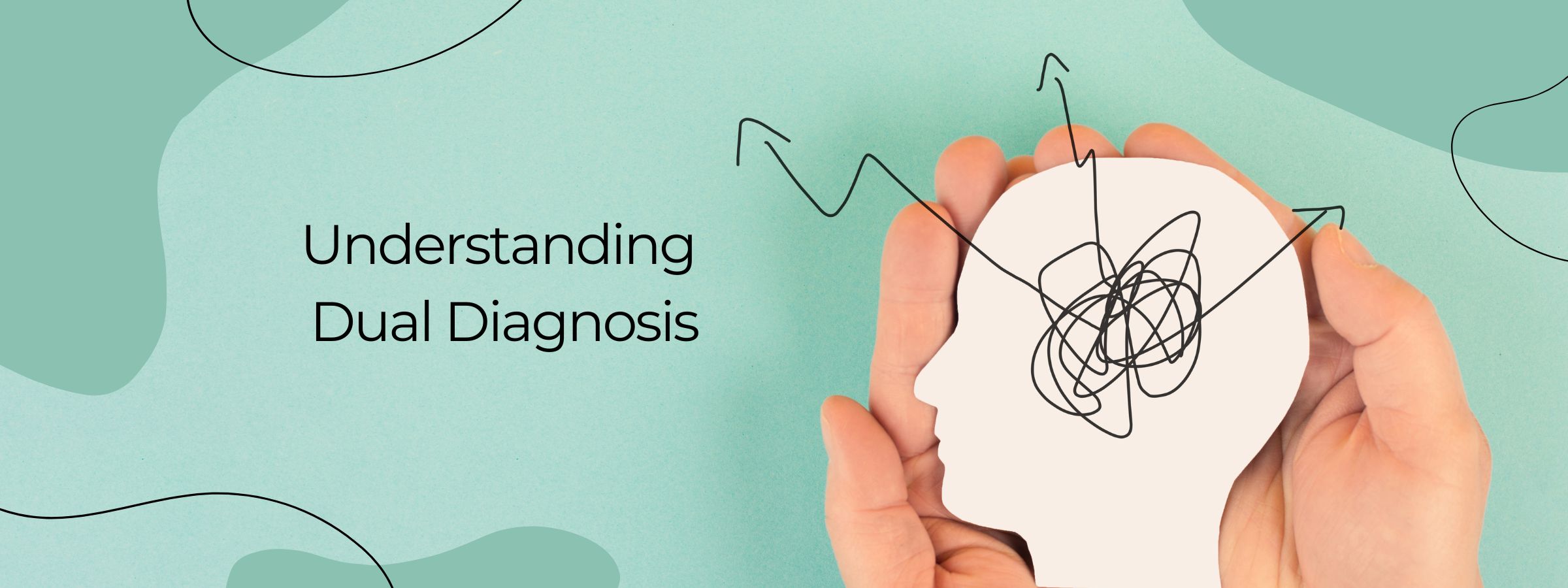
Addiction rarely exists in isolation. For many individuals, substance use is intertwined with unresolved trauma, anxiety, depression, or other mental health challenges. Addressing addiction without simultaneously treating co-occurring mental health conditions often leaves recovery incomplete and increases the risk of relapse. Dual-diagnosis treatment offers a holistic, compassionate approach, helping individuals heal both the mind and the body. At Alternative Help, we integrate clinical expertise, faith-based support, and individualized care to provide comprehensive dual-diagnosis recovery programs.
Understanding Dual-Diagnosis
Dual-diagnosis, also known as co-occurring disorders, refers to the presence of both a substance use disorder and a mental health condition. Trauma, in particular, can contribute to the development of addiction as individuals may use substances to cope with emotional pain or stressful experiences.
Common Co-Occurring Conditions
- Anxiety and panic disorders
- Depression and mood disorders
- Post-traumatic stress disorder (PTSD)
- Bipolar disorder and other mood dysregulations
Recognizing and addressing these conditions simultaneously is critical. Treating only the addiction may provide short-term relief, but the underlying mental health issues can continue to drive harmful behaviors.
The Link Between Trauma and Addiction
Trauma can take many forms, including childhood abuse, neglect, or exposure to violence. It reshapes the brain’s stress response and can lead to unhealthy coping mechanisms, such as alcohol or drug use. Dual-diagnosis programs acknowledge the role trauma plays in addiction and provide safe, structured environments to process these experiences.
Benefits of Trauma-Informed Care
- Provides emotional safety and stability
- Helps clients understand the connection between trauma and substance use
- Teaches healthy coping strategies
- Reduces shame and self-blame
At Alternative Help, trauma-informed care is embedded into all levels of treatment, ensuring that clients feel respected, supported, and empowered to heal at their own pace.
Integrating Mental Health Treatment with Addiction Recovery
Effective dual-diagnosis programs combine evidence-based therapies with holistic practices to support both mental health and sobriety.
Evidence-Based Approaches
- Cognitive Behavioral Therapy (CBT): Helps clients identify negative thought patterns and replace them with healthier responses.
- Dialectical Behavior Therapy (DBT): Focuses on emotional regulation, mindfulness, and distress tolerance.
- Motivational Interviewing: Encourages self-reflection and strengthens commitment to recovery.
Holistic and Faith-Based Support
Beyond clinical care, Alternative Help incorporates holistic therapies such as meditation, yoga, and mindfulness. Faith-based guidance is available for those seeking spiritual support, offering an additional layer of comfort and purpose.
These integrative approaches address both the physical and emotional aspects of addiction, helping individuals develop long-term resilience.
The Role of Personalized, Client-Centered Care
No two recovery journeys are alike. Dual-diagnosis treatment at Alternative Help is tailored to each client’s unique needs, including mental health history, trauma experiences, and personal goals. Individualized care plans create a roadmap that balances therapy, holistic practices, and practical life skills.
By providing personalized support, clients are empowered to manage cravings, regulate emotions, and rebuild meaningful connections with family, friends, and community.
Healing Both Mind and Body
Addressing addiction in isolation is rarely sufficient. Dual-diagnosis recovery offers a path to true healing by simultaneously treating substance use and co-occurring mental health challenges. At Alternative Help, compassionate, faith-based, and holistic care ensures that clients are supported on every level—emotional, physical, and spiritual.
If you or a loved one are struggling with addiction and mental health challenges, reach out today. With the right guidance, recovery is possible, and a life of balance, purpose, and hope can be reclaimed.