Beyond Detox: What to Expect from Inpatient and Outpatient Care for Addiction and Mental Health

Detox is often the first step in recovery, but it is just the beginning. True healing requires more than simply managing withdrawal symptoms. Inpatient and outpatient care provide the structure, support, and therapeutic interventions necessary to address the root causes of addiction and mental health challenges. At Alternative Help, we focus on individualized treatment plans that combine evidence-based therapies, holistic practices, and compassionate care to ensure lasting recovery.

Understanding the Difference Between Inpatient and Outpatient Care

Choosing the right level of care can feel overwhelming. Understanding the differences between inpatient and outpatient programs helps individuals and families make informed decisions.

Inpatient Care: Intensive Support in a Structured Environment

Inpatient care provides a residential setting where individuals live at the treatment facility for a specified period. This level of care is ideal for those who need constant medical supervision, intensive therapy, or a safe, distraction-free environment to focus on recovery.

Inpatient programs typically include:

  • Medical and psychiatric monitoring to manage withdrawal symptoms and co-occurring mental health conditions.
  • Individual and group therapy to address underlying causes of addiction.
  • Holistic and faith-based approaches, such as mindfulness, yoga, and spiritual counseling, to support mental, emotional, and physical well-being.
  • Life skills and relapse prevention training to prepare for reintegration into daily life.

The structured environment of inpatient care provides stability and support during the critical early stages of recovery, setting a strong foundation for long-term success.

Outpatient Care: Flexibility and Continued Support

Outpatient programs offer treatment while allowing individuals to maintain responsibilities at home, work, or school. This level of care is suitable for those who have completed detox or inpatient treatment, or for individuals with milder symptoms who require guidance and therapy without full-time residency.

Outpatient care often includes:

  • Regular therapy sessions, both individual and group, to address addiction and mental health issues.
  • Medication management for co-occurring disorders.
  • Support groups and peer counseling to build community and accountability.
  • Personalized wellness plans that integrate exercise, nutrition, and stress management techniques.

Outpatient programs provide flexibility while ensuring continuous professional support, helping individuals maintain recovery progress while navigating real-life challenges.

Why Comprehensive Care Matters

Addiction and mental health are deeply interconnected. Treating one without addressing the other can lead to relapse or setbacks. Personalized recovery plans that incorporate both inpatient and outpatient care ensure a comprehensive approach. By combining medical supervision, therapy, holistic practices, and ongoing support, individuals receive the tools needed to rebuild their lives.

How to Determine the Right Level of Care

The choice between inpatient and outpatient care depends on several factors:

  • Severity of addiction and withdrawal symptoms
  • Presence of co-occurring mental health disorders
  • Personal responsibilities and support systems
  • Past treatment history and risk of relapse

A professional assessment can guide this decision, ensuring each person receives the most appropriate and effective care.

Taking the Next Step in Recovery

Recovery is a journey that extends beyond detox. Inpatient and outpatient programs provide the guidance, structure, and personalized care essential for lasting change. If you or a loved one is struggling with addiction or mental health challenges, reaching out to a trusted treatment provider like Alternative Help is the first step toward a healthier future.

Conclusion

Addiction recovery is about more than stopping substance use. It is about addressing underlying issues, building resilience, and creating a sustainable path to wellness. Inpatient and outpatient care offer complementary levels of support that meet individuals where they are in their recovery journey. Personalized, compassionate, and evidence-based treatment ensures that every person has the opportunity to thrive. Contact Alternative Help today to explore the right program for you and take the first step toward long-term recovery.

Finding the Right Path: How Personalized Recovery Plans Improve Long‑Term Success

When it comes to overcoming addiction, one size does not fit all. Every person’s journey is unique, shaped by their experiences, challenges, and goals. That is why personalized recovery plans are essential. A tailored approach to treatment ensures that individuals receive the care, support, and strategies they need to achieve long-term success. At Alternative Help, we understand that recovery is not just about addressing substance use—it is about nurturing the mind, body, and spirit to support lasting change.

Why Personalized Recovery Plans Matter

Personalized recovery plans are built around the individual. Instead of offering a standard program, professionals assess each person’s history, mental health status, and personal circumstances. This allows treatment teams to create a roadmap that is specific to the person’s needs.

Personalized plans increase the likelihood of engagement and success. When treatment addresses not only the addiction but also underlying mental health concerns, trauma, and life stressors, individuals are better equipped to maintain sobriety and build a healthier lifestyle.

Components of a Personalized Recovery Plan

A well-rounded personalized recovery plan often includes multiple elements:

Comprehensive Assessment

The first step in any individualized plan is a thorough assessment. This includes evaluating the type and severity of addiction, co-occurring mental health disorders, physical health, and social factors such as family dynamics and support networks.

Tailored Treatment Programs

Depending on the assessment, individuals may receive inpatient or outpatient care. Inpatient programs provide a structured environment for intensive therapy, while outpatient programs allow for flexibility while still offering professional support. Treatment may also include counseling, group therapy, and holistic or faith-based practices.

Holistic and Evidence-Based Approaches

At Alternative Help, we recognize the importance of addressing the whole person. Holistic therapies—such as mindfulness, meditation, and nutritional support—complement evidence-based treatments like cognitive behavioral therapy and motivational interviewing. This combination strengthens coping skills and promotes mental and physical wellness.

Ongoing Support and Aftercare

Recovery does not end when the formal program concludes. Personalized plans include aftercare strategies such as continued therapy, support groups, and relapse prevention plans. Ongoing monitoring ensures that individuals stay on track and adjust their strategies as needed.

The Benefits of a Personalized Approach

Personalized recovery plans offer multiple advantages:

  • Higher Success Rates: Tailored treatment addresses the specific causes of addiction, improving the chances of long-term recovery.
  • Comprehensive Healing: Integrating mental health, physical wellness, and spiritual support promotes overall wellbeing.
  • Empowerment: Individuals take an active role in shaping their recovery journey, fostering confidence and self-efficacy.
  • Family Involvement: Personalized plans often incorporate family support, which strengthens relationships and enhances recovery outcomes.

How to Get Started

If you or a loved one is struggling with addiction, seeking help early can make a significant difference. Contact a trusted recovery center like Alternative Help to begin the process of creating a personalized recovery plan. The journey may be challenging, but with the right guidance and support, long-term success is achievable.

Conclusion

Recovery is not a generic path. Each individual deserves a plan that considers their unique needs, challenges, and goals. Personalized recovery plans provide the structure, flexibility, and comprehensive support necessary to achieve lasting change. By choosing a tailored approach to treatment, individuals can build resilience, heal holistically, and embrace a healthier future. Take the first step today and reach out for help—you do not have to navigate this journey alone.

Lifestyle Change for Life Change: Developing Healthy Habits in Recovery

Recovery from addiction is about far more than stopping substance use. It is about building a new way of living that supports long term sobriety, emotional balance, and personal growth. Lasting recovery happens when daily habits align with physical health, mental well being, and personal values. At Alternative Help, lifestyle change is treated as a core part of healing, not an afterthought. Through holistic, faith based, and individualized care, clients learn how small daily choices can lead to meaningful and lasting life change.

Why Lifestyle Change Matters in Addiction Recovery

Addiction often reshapes routines, priorities, and coping mechanisms. Unhealthy patterns can become deeply ingrained, making relapse more likely if those patterns remain unchanged. Recovery requires replacing old habits with healthier ones that support stability and purpose.

A structured lifestyle helps regulate stress, improve emotional resilience, and strengthen decision making. Healthy routines also reduce triggers by creating predictability and balance. This is why both inpatient and outpatient programs at Alternative Help focus on building practical life skills alongside clinical treatment.

Recovery Is Built One Day at a Time

Sustainable recovery is not about perfection. It is about consistency. Small, repeatable actions practiced daily have a powerful impact over time. Learning how to care for the body, manage emotions, and stay connected to support systems lays the foundation for lifelong sobriety.

Building Healthy Daily Routines

Structure plays a vital role in early and long term recovery. Daily routines provide stability during a time when emotions and stress levels may fluctuate.

Key Areas to Focus On

  • Sleep hygiene that supports physical and mental restoration
  • Balanced nutrition to stabilize mood and energy
  • Regular movement to reduce stress and improve focus
  • Scheduled therapy, support groups, and self reflection

At Alternative Help, individualized treatment plans help clients develop routines that match their needs, abilities, and recovery stage. This approach ensures that lifestyle changes are realistic and sustainable.

Emotional Wellness and Mental Health Habits

Mental health treatment is a critical part of addiction recovery. Many individuals struggle with anxiety, depression, or trauma that fuels substance use. Developing healthy emotional habits helps reduce relapse risk and improves overall quality of life.

Practices That Support Emotional Healing

  • Mindfulness and grounding techniques
  • Journaling to process thoughts and emotions
  • Healthy communication and boundary setting
  • Faith based reflection for those seeking spiritual support

These habits teach individuals how to respond to stress without returning to old coping mechanisms. Over time, emotional regulation becomes stronger and more natural.

Social Connections and Support Systems

Recovery does not happen in isolation. Healthy relationships and supportive communities play a major role in maintaining sobriety. Addiction often damages trust and connection, making it essential to rebuild social habits with care.

Creating Supportive Social Habits

  • Attending recovery meetings or group therapy
  • Reconnecting with supportive family members
  • Avoiding environments linked to substance use
  • Building friendships rooted in shared values and wellness

Alternative Help emphasizes client centered care that includes family involvement and community support. These connections provide accountability, encouragement, and hope.

Faith, Purpose, and Personal Growth

For many individuals, recovery is also a spiritual journey. Faith based approaches can offer meaning, direction, and strength during difficult moments. Developing habits that nurture purpose helps individuals stay grounded and motivated.

This may include prayer, meditation, service to others, or personal goal setting. Purpose driven living reinforces the belief that recovery is not just about avoiding substances, but about creating a fulfilling life.

Making Lifestyle Change Stick Long Term

Lifestyle change is not a one time event. It evolves as recovery grows. Outpatient care and aftercare planning at Alternative Help ensure that clients continue developing healthy habits beyond structured treatment.

Ongoing support helps individuals adapt routines as life circumstances change. This flexibility is essential for maintaining long term sobriety.

Choose Habits That Support Healing

Recovery is a journey of daily choices. Each healthy habit strengthens the mind, body, and spirit. Lifestyle change creates the structure and support needed to sustain sobriety and emotional wellness over time.

At Alternative Help, recovery is treated as a whole person process that honors individuality, faith, and long term healing. If you or a loved one are ready to create lasting change through healthier habits and compassionate care, reach out today. A new lifestyle can lead to a new life, and recovery is possible with the right support.

Rebuilding Relationships After Addiction: Family Healing in Recovery

Addiction affects more than the individual struggling with substance use. It can strain, damage, or even break family relationships. The path to recovery is not only about achieving sobriety but also about repairing the trust, communication, and bonds that may have been harmed. Family healing is a critical component of long-term recovery, offering support, understanding, and renewed connection. At Alternative Help, holistic and individualized care addresses both the needs of the individual and the family, fostering lasting healing for all.


The Impact of Addiction on Families

Addiction often brings confusion, conflict, and emotional strain into family dynamics. Loved ones may experience feelings of fear, frustration, or helplessness. Communication may break down, and trust can be deeply eroded. Children, spouses, and extended family members are all affected in unique ways.

Common Family Challenges

  • Broken trust due to relapse or secrecy
  • Emotional distance or resentment
  • Enabling or codependent behaviors
  • Challenges in setting healthy boundaries

Understanding these dynamics is the first step in restoring healthy relationships. Recovery is most successful when the entire family is engaged in the healing process.


Family Therapy: A Core Component of Healing

Family therapy is an essential part of addiction recovery at Alternative Help. It provides a safe space for family members to express feelings, resolve conflicts, and learn healthier ways to interact.

Benefits of Family Therapy

  • Rebuilds trust and open communication
  • Identifies and breaks unhealthy patterns
  • Encourages empathy and understanding
  • Strengthens the family unit as a support system

Licensed therapists guide families through structured sessions, helping each member understand the recovery process and their role in supporting long-term sobriety.


Holistic Approaches to Family Healing

Healing family relationships is not only about therapy sessions. Holistic approaches play a vital role in strengthening bonds and promoting emotional well-being.

Examples of Holistic Support

  • Mindfulness practices to reduce stress and enhance communication
  • Guided meditation or reflective exercises to foster empathy
  • Group activities that encourage collaboration and trust
  • Faith-based guidance for families seeking spiritual support

These methods allow families to connect on multiple levels—emotional, mental, and spiritual—enhancing resilience and unity.


Establishing Healthy Boundaries and Communication

A key part of family healing is learning how to communicate effectively and set healthy boundaries. Addiction often creates patterns of conflict, avoidance, or codependency. Recovery offers the opportunity to replace these patterns with trust, respect, and clarity.

Strategies for Families

  • Practice active listening without judgment
  • Set clear expectations and boundaries
  • Celebrate progress and small milestones
  • Encourage ongoing dialogue even after formal therapy ends

Healthy communication strengthens the family’s ability to navigate challenges together and supports the individual’s ongoing recovery journey.


The Role of Support Networks

Recovery extends beyond the immediate family. Support groups, community programs, and faith-based resources provide additional guidance and reinforcement. Engaging with others who share similar experiences reduces isolation and offers practical advice for maintaining strong, healthy relationships.

At Alternative Help, the integration of community and professional support ensures that families have the tools they need for lasting healing and connection.


Healing Together for Lasting Recovery

Recovery is not a solitary journey—it affects everyone who loves and cares for the individual in treatment. By addressing family dynamics, fostering open communication, and embracing holistic healing practices, families can rebuild trust, restore bonds, and support sustained sobriety.

At Alternative Help, compassionate, individualized care helps both clients and their families navigate the challenges of recovery. If you or a loved one are ready to begin the process of healing together, reach out today. Recovery is stronger when family ties are restored, and hope is renewed for everyone involved.

Trauma, Mental Health & Addiction: A Compassionate Guide to Dual-Diagnosis Healing

Addiction rarely exists in isolation. For many individuals, substance use is intertwined with unresolved trauma, anxiety, depression, or other mental health challenges. Addressing addiction without simultaneously treating co-occurring mental health conditions often leaves recovery incomplete and increases the risk of relapse. Dual-diagnosis treatment offers a holistic, compassionate approach, helping individuals heal both the mind and the body. At Alternative Help, we integrate clinical expertise, faith-based support, and individualized care to provide comprehensive dual-diagnosis recovery programs.


Understanding Dual-Diagnosis

Dual-diagnosis, also known as co-occurring disorders, refers to the presence of both a substance use disorder and a mental health condition. Trauma, in particular, can contribute to the development of addiction as individuals may use substances to cope with emotional pain or stressful experiences.

Common Co-Occurring Conditions

  • Anxiety and panic disorders
  • Depression and mood disorders
  • Post-traumatic stress disorder (PTSD)
  • Bipolar disorder and other mood dysregulations

Recognizing and addressing these conditions simultaneously is critical. Treating only the addiction may provide short-term relief, but the underlying mental health issues can continue to drive harmful behaviors.


The Link Between Trauma and Addiction

Trauma can take many forms, including childhood abuse, neglect, or exposure to violence. It reshapes the brain’s stress response and can lead to unhealthy coping mechanisms, such as alcohol or drug use. Dual-diagnosis programs acknowledge the role trauma plays in addiction and provide safe, structured environments to process these experiences.

Benefits of Trauma-Informed Care

  • Provides emotional safety and stability
  • Helps clients understand the connection between trauma and substance use
  • Teaches healthy coping strategies
  • Reduces shame and self-blame

At Alternative Help, trauma-informed care is embedded into all levels of treatment, ensuring that clients feel respected, supported, and empowered to heal at their own pace.


Integrating Mental Health Treatment with Addiction Recovery

Effective dual-diagnosis programs combine evidence-based therapies with holistic practices to support both mental health and sobriety.

Evidence-Based Approaches

  • Cognitive Behavioral Therapy (CBT): Helps clients identify negative thought patterns and replace them with healthier responses.
  • Dialectical Behavior Therapy (DBT): Focuses on emotional regulation, mindfulness, and distress tolerance.
  • Motivational Interviewing: Encourages self-reflection and strengthens commitment to recovery.

Holistic and Faith-Based Support

Beyond clinical care, Alternative Help incorporates holistic therapies such as meditation, yoga, and mindfulness. Faith-based guidance is available for those seeking spiritual support, offering an additional layer of comfort and purpose.

These integrative approaches address both the physical and emotional aspects of addiction, helping individuals develop long-term resilience.


The Role of Personalized, Client-Centered Care

No two recovery journeys are alike. Dual-diagnosis treatment at Alternative Help is tailored to each client’s unique needs, including mental health history, trauma experiences, and personal goals. Individualized care plans create a roadmap that balances therapy, holistic practices, and practical life skills.

By providing personalized support, clients are empowered to manage cravings, regulate emotions, and rebuild meaningful connections with family, friends, and community.


Healing Both Mind and Body

Addressing addiction in isolation is rarely sufficient. Dual-diagnosis recovery offers a path to true healing by simultaneously treating substance use and co-occurring mental health challenges. At Alternative Help, compassionate, faith-based, and holistic care ensures that clients are supported on every level—emotional, physical, and spiritual.

If you or a loved one are struggling with addiction and mental health challenges, reach out today. With the right guidance, recovery is possible, and a life of balance, purpose, and hope can be reclaimed.

Going Beyond Detox: Why Outpatient Care Matters for Long-Term Sobriety

Detox is often the first step in overcoming addiction, but it is only the beginning of the recovery journey. While detox helps the body rid itself of harmful substances, long-term sobriety requires comprehensive support, skill-building, and emotional healing. Outpatient care bridges the gap between initial detox and everyday life, providing a flexible, supportive environment that helps individuals maintain recovery while reintegrating into their routines. At Alternative Help, outpatient programs combine clinical care, holistic therapies, and individualized plans to ensure sustainable results.


Understanding Outpatient Addiction Treatment

Outpatient care allows individuals to live at home while participating in structured therapy sessions, counseling, and wellness activities. Unlike inpatient programs, clients continue their daily responsibilities—work, school, or family obligations—while receiving professional support to manage cravings, triggers, and emotional challenges.

Key Goals of Outpatient Programs

  • Provide ongoing medical and psychological support
  • Reinforce coping skills learned during detox or inpatient treatment
  • Offer therapy in a real-world context to help clients practice strategies
  • Reduce the risk of relapse through continuous accountability and care

Outpatient care is particularly effective for individuals with strong support systems, stable living conditions, and moderate addiction severity. However, programs can be customized to meet the unique needs of each participant, ensuring personalized care.


The Benefits of Outpatient Care

Maintaining Structure and Accountability

One of the main advantages of outpatient treatment is the continued structure it provides. Regular therapy sessions, group meetings, and check-ins help clients stay accountable and focused on their recovery goals.

Emotional and Mental Health Support

Addiction often coexists with anxiety, depression, or trauma. Outpatient care includes individual and group counseling, trauma-informed therapy, and mental health support to address these challenges. Clients learn to recognize triggers, manage stress, and develop resilience in everyday situations.

Integrating Holistic Therapies

At Alternative Help, outpatient programs integrate holistic and faith-based approaches that promote overall well-being. Mindfulness practices, yoga, meditation, and creative therapies help clients reduce stress, increase self-awareness, and cultivate inner balance. These practices complement traditional therapy, making recovery more sustainable.

Flexibility for Real-Life Application

Unlike inpatient care, outpatient treatment allows clients to immediately apply coping strategies to their personal and professional lives. This real-world practice strengthens skills, increases confidence, and prepares individuals for long-term sobriety outside a structured facility.


Preparing for Life Beyond Treatment

Outpatient care is not just about managing the present—it prepares individuals for lifelong recovery. Programs emphasize:

  • Building a support network, including family and peer groups
  • Establishing healthy routines and habits
  • Practicing mindfulness and stress management techniques
  • Identifying and avoiding high-risk situations

By integrating these strategies into daily life, individuals are better equipped to prevent relapse and sustain positive changes.


The Role of Personalized Care

Every recovery journey is unique, and one-size-fits-all solutions are rarely effective. Alternative Help prioritizes individualized outpatient programs tailored to each client’s needs, preferences, and faith-based values. By combining clinical expertise with holistic support, clients receive care that addresses the physical, emotional, and spiritual dimensions of recovery.


Beyond Detox Lies Lasting Sobriety

Detox is a critical first step, but true recovery extends far beyond the physical process. Outpatient care provides the guidance, support, and tools needed to navigate real-world challenges while maintaining sobriety. At Alternative Help, compassionate, holistic, and individualized programs help individuals transform their lives, rebuild confidence, and achieve long-term wellness.

If you or a loved one are ready to go beyond detox and take the next step toward lasting recovery, rea

From Crisis to Clarity: What Inpatient Addiction Treatment Really Looks Like

When someone reaches a breaking point with addiction, the idea of entering inpatient treatment can feel overwhelming. Many people imagine strict routines or unfamiliar environments, but inpatient care is far more supportive and transformative than most expect. It offers structure, peace, and a safe space to rebuild what addiction has disrupted. At Alternative Help, inpatient addiction treatment is built on compassion, clinical expertise, and holistic healing that addresses the whole person. It is often the moment when crisis turns into clarity, and clarity becomes the foundation for lasting recovery.


Understanding the Purpose of Inpatient Treatment

Inpatient addiction treatment provides a structured, immersive environment where individuals can focus entirely on healing. It removes triggers, stressors, and unhealthy influences that make early recovery difficult. Instead, clients are surrounded by trained professionals, supportive peers, and a team committed to guiding them through each step of the process.

Why this level of care matters

  • It stabilizes individuals during the most vulnerable stages of recovery.
  • It offers 24 hour support for medical and emotional needs.
  • It provides a calm and predictable setting that reduces stress.
  • It allows clients to build healthy routines without external pressure.

Inpatient care is especially valuable for individuals coping with severe addiction, co occurring mental health conditions, or unstable home environments.


What Daily Life Looks Like in Inpatient Treatment

Many people entering treatment for the first time wonder what their everyday experience will be like. While every program is unique, the structure at Alternative Help focuses on balance, healing, and personal growth.

A supportive and predictable schedule

Daily schedules are designed to promote physical, mental, and emotional stability. Clients typically participate in:

  • Individual therapy sessions
  • Small group counseling
  • Mental health support
  • Educational workshops
  • Mindfulness or holistic practices
  • Recreational or wellness activities

This blend of therapeutic and restorative activities helps clients regain a sense of control and purpose.

Personalized treatment that meets each person’s needs

No two individuals experience addiction the same way. This is why inpatient care includes personalized treatment planning. Clinicians evaluate medical history, mental health needs, substance use patterns, and personal goals to build a plan tailored to long term success.


Integrating Holistic and Faith Based Healing

One of the strengths of Alternative Help is the commitment to treating the entire person, not just the addiction. Holistic therapies and optional faith based support give clients additional tools to manage stress, restore emotional balance, and reconnect with their values.

Examples of holistic therapies

  • Meditation and guided breathing
  • Yoga or gentle movement
  • Art or expressive therapy
  • Nutritional and wellness guidance
  • Outdoor or nature based activities

These practices help reduce anxiety, promote inner calm, and support physical healing.

The role of spiritual care

Some clients find strength in faith based programs that encourage reflection, forgiveness, and renewed purpose. These services are always offered with respect for each individual’s beliefs and comfort level.


The Importance of Community and Connection

Addiction thrives in isolation, but recovery grows through connection. In inpatient treatment, clients benefit from peer support, shared experiences, and a sense of belonging that many have not felt in years.

Through group discussions and team-based activities, individuals begin to rebuild trust, improve communication, and feel understood by others who share similar struggles. This community becomes a foundation for ongoing support long after leaving treatment.


Preparing for Life After Inpatient Care

A strong inpatient program does not end on the day of discharge. Instead, it prepares clients for long term success by providing aftercare planning, outpatient services, and continued mental health support. Clients learn:

  • How to manage triggers
  • How to build healthy routines
  • How to maintain emotional stability
  • How to create supportive relationships
  • How to transition safely back into daily life

With the right tools, individuals leave treatment with confidence and clarity about the next steps in their recovery.


Your Path to Clarity Begins with Support

Inpatient addiction treatment is not about punishment or restriction. It is about healing in a safe, structured environment where you can finally breathe, reset, and reconnect with who you are. At Alternative Help, the combination of clinical care, holistic therapies, and personalized support helps individuals move from crisis to clarity and from clarity to lasting recovery.

If you or someone you love is ready for real change, the first step is reaching out. Hope, healing, and a stronger future are closer than you think.

Mind & Body in Harmony: Integrating Holistic Therapies into Your Recovery Journey

Addiction recovery is a journey that touches every part of a person’s life. It is not only about stopping substance use but also about rebuilding emotional, mental, and physical health. Holistic therapies are increasingly recognized as essential components of comprehensive recovery programs. By addressing the mind, body, and spirit simultaneously, these therapies offer individuals practical tools for healing, resilience, and lasting sobriety. At Alternative Help, holistic approaches are integrated with clinical care to provide personalized, compassionate support for every stage of recovery.


What Are Holistic Therapies in Addiction Recovery?

Holistic therapies focus on the whole person rather than just the symptoms of addiction. They combine traditional clinical treatments with complementary practices that nurture emotional, physical, and spiritual well-being. These may include mindfulness meditation, yoga, acupuncture, art therapy, and nutrition counseling, among others.

By engaging multiple dimensions of health, holistic therapies help clients develop coping strategies, reduce stress, and cultivate self-awareness. They complement medical and psychological interventions, providing a richer, more supportive framework for recovery.


The Mind-Body Connection in Healing

Addiction often disrupts the natural balance between mind and body. Stress, trauma, and chronic substance use can leave individuals emotionally exhausted, physically depleted, and mentally scattered. Holistic therapies aim to restore harmony by promoting self-awareness, relaxation, and emotional regulation.

Key Benefits of Holistic Therapies:

  • Emotional Regulation: Mindfulness and meditation teach clients to observe thoughts and feelings without judgment, reducing impulsivity and cravings.
  • Stress Reduction: Yoga, massage, and breathing exercises activate the parasympathetic nervous system, lowering cortisol levels and easing anxiety.
  • Physical Health: Gentle exercise and nutritional support help repair bodily damage caused by substance use.
  • Self-Awareness: Art therapy, journaling, and other expressive modalities help individuals process trauma and gain insight into behaviors.

By restoring balance between mind and body, holistic therapies enhance the effectiveness of traditional treatment methods and promote long-term recovery.


Integrating Holistic Practices with Traditional Treatment

At Alternative Help, holistic therapies are fully integrated into inpatient and outpatient programs. Licensed therapists and medical professionals work alongside holistic practitioners to ensure a coordinated, individualized approach.

For example, a client may participate in group counseling sessions while also attending yoga classes or practicing guided meditation. These activities reinforce coping strategies learned in therapy, reduce stress, and provide opportunities for reflection and personal growth.

Faith-based support can also be incorporated, offering spiritual guidance that aligns with holistic healing practices. The combination of clinical care, holistic therapies, and individualized support creates a well-rounded approach that addresses the unique needs of each person in recovery.


Creating a Sustainable Recovery Plan

Holistic therapies not only support immediate recovery but also teach skills for maintaining long-term wellness. Mind-body practices encourage mindfulness, emotional resilience, and healthy lifestyle habits that extend beyond the treatment environment. Clients leave with tools to manage stress, regulate emotions, and strengthen their overall well-being.

By incorporating these practices into daily life, individuals can cultivate balance, purpose, and self-confidence, which are critical to preventing relapse and sustaining sobriety.


Achieving Harmony in Recovery

Recovery is a comprehensive journey that involves healing the mind, body, and spirit. Holistic therapies offer a compassionate, evidence-based approach to support individuals on this path. At Alternative Help, we combine clinical expertise with holistic and faith-based care to help clients rebuild their lives in a healthy and meaningful way.

If you or a loved one is ready to explore a recovery plan that nurtures the whole person, reach out today. With mind and body in harmony, lasting recovery is within reach.

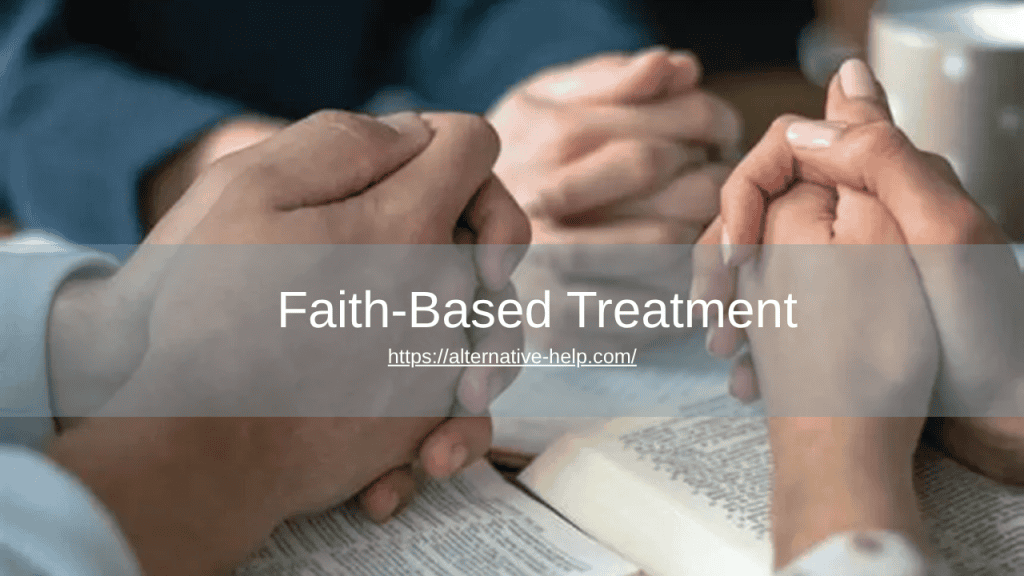
Hope Renewed: How Faith-Based Treatment Anchors Lasting Addiction Recovery

Addiction recovery is not just about breaking free from substance use. It is about finding hope, rebuilding purpose, and restoring a sense of inner peace. For many individuals, faith becomes a powerful foundation for lasting change. At Alternative Help, faith-based treatment combines spiritual guidance with evidence-based therapies, creating a holistic path toward healing that nurtures both the mind and the soul.


Faith as a Foundation for Healing

Faith-based treatment recognizes that recovery involves more than physical detox or behavioral change. Addiction often leaves emotional and spiritual wounds that require deeper healing. By reconnecting with one’s faith, individuals can rediscover a sense of meaning and belonging that supports long-term sobriety.

Through prayer, meditation, and spiritual counseling, clients are encouraged to seek strength beyond themselves. This renewed connection can replace feelings of isolation or shame with hope and forgiveness. Whether rooted in Christianity or other faith traditions, spiritual principles help create a compassionate, judgment-free environment where healing can truly begin.


Integrating Faith and Evidence-Based Therapies

At Alternative Help, faith-based recovery programs are thoughtfully integrated with clinically proven treatment methods. Combining spiritual care with medical and psychological support ensures that every aspect of recovery is addressed.

Inpatient and outpatient care both offer structured therapy sessions, group support, and counseling guided by licensed professionals who respect each individual’s beliefs. Cognitive Behavioral Therapy (CBT), motivational interviewing, and trauma-informed care are often blended with faith-based principles, helping clients reshape thought patterns while strengthening their spiritual foundation.

This integration of modern science and spiritual insight helps individuals not only overcome addiction but also rediscover purpose and personal growth through faith.


The Role of Community and Fellowship in Recovery

One of the most powerful aspects of faith-based treatment is the sense of community it builds. Support groups rooted in shared belief systems provide encouragement and accountability throughout the recovery process.

In these settings, individuals learn that they are not alone in their struggles. Fellowship promotes honesty, humility, and resilience—values that help maintain sobriety long after treatment ends. Many clients also find purpose in helping others, transforming their pain into service and compassion.

This sense of belonging and mutual care becomes a cornerstone of sustained recovery. When faith is shared within a supportive environment, the journey toward healing becomes both personal and collective.


Finding Strength in Spiritual Renewal

Recovery is rarely a straight path. There are moments of doubt, temptation, and emotional struggle. Faith-based programs remind individuals that relapse or hardship does not define failure but provides an opportunity for renewed commitment.

By turning to faith, clients can draw strength from prayer, scripture, and a belief in their own capacity for change. This spiritual resilience often leads to greater emotional stability and reduced anxiety, allowing individuals to face challenges with hope rather than fear.


A Pathway to Purpose and Peace

Faith-based addiction treatment offers more than sobriety—it offers transformation. By aligning spiritual principles with therapeutic care, individuals gain the tools and inspiration needed for lifelong recovery.

At Alternative Help, the mission is to walk beside each person with compassion, understanding, and faith. If you or someone you love is seeking recovery that restores both the heart and the mind, reach out today. Hope is not lost. With faith as your anchor, healing and renewal are possible.

Grounded in Recovery: Gardening, Nature Walks, and Gentle Outdoor Therapy

Recovery from addiction is about more than abstaining from substances. It is about reconnecting with oneself, regaining emotional balance, and discovering meaningful ways to cope with stress and triggers. For many individuals, holistic approaches like gardening, nature walks, and other forms of gentle outdoor therapy provide valuable tools for emotional healing, mindfulness, and long-term resilience. These practices complement traditional treatment methods and help foster a sense of calm, purpose, and connection.

The Benefits of Nature in Addiction Recovery

Nature offers a unique environment for healing. Spending time outdoors can reduce stress, lower anxiety, and improve mood—all critical components in maintaining sobriety. For people in recovery, nature provides a safe space to pause, reflect, and engage with the present moment without distractions. The sensory experience of being outdoors—the feel of soil, the sound of birds, or the sight of a green landscape—can be profoundly grounding and restorative.

Gardening as a Therapeutic Practice

Gardening is more than a hobby; it is a form of active therapy. Working with soil and plants requires patience, consistency, and care—qualities that are essential in recovery. Watching seeds grow into plants provides a tangible sense of accomplishment and hope.

Key Benefits of Gardening in Recovery:

  • Mindfulness and focus: Gardening encourages attention to the present moment, reducing intrusive thoughts and cravings.
  • Routine and structure: Regular care for plants helps establish healthy daily habits.
  • Emotional regulation: Nurturing living things promotes empathy and patience, which support emotional stability.
  • Physical activity: Gardening improves strength, flexibility, and overall well-being.

Nature Walks: Gentle Movement for the Mind

Mindful walking in natural settings is another powerful tool for recovery. Unlike high-intensity exercise, nature walks allow participants to move at their own pace while practicing mindfulness. Observing the environment, listening to natural sounds, and feeling each step fosters presence and awareness. These practices help individuals process emotions, reduce stress, and cultivate a sense of peace.

How Nature Walks Support Recovery:

  • Stress reduction: Walking in green spaces lowers cortisol levels and promotes relaxation.
  • Enhanced focus: Mindful observation during walks improves cognitive clarity.
  • Emotional balance: Time in nature encourages reflection, reducing feelings of anxiety or depression.
  • Connection: Walking with others strengthens community bonds and accountability.

Integrating Gentle Outdoor Therapy into Holistic Recovery

At Alternative Help, recovery is approached through a holistic lens, addressing the body, mind, and spirit. Gardening and nature walks are integrated into broader treatment programs that may include inpatient or outpatient care, counseling, and faith-based support. These practices reinforce lessons from therapy, offering hands-on experiences that nurture patience, mindfulness, and resilience.

Rediscovering Purpose and Joy

Addiction can leave individuals feeling disconnected from simple pleasures. Gardening, nature walks, and gentle outdoor activities remind people of the beauty in everyday moments. They provide a sense of accomplishment, grounding, and hope—reminding participants that recovery is not only possible but also rewarding.

Take the Next Step in Recovery

Healing is a journey that requires support, guidance, and personalized care. At Alternative Help, we combine evidence-based treatment with holistic and faith-based therapies to help individuals build lasting sobriety. Incorporating gentle outdoor therapy into your recovery plan can strengthen emotional resilience, reduce stress, and restore a sense of purpose.

Reach out today to learn how our compassionate programs can help you or a loved one reconnect with life, nature, and the path to lasting wellness.