The Science Behind Outdoor Therapy: Why Nature Heals the Addicted Mind

Addiction recovery is not only about overcoming dependence. It is also about rebuilding balance in the body and mind. Many individuals in recovery face deep emotional exhaustion, mental fog, and disconnection from self and purpose. Outdoor therapy, also known as nature-based or ecotherapy, is emerging as a powerful tool that helps restore this balance. Science now confirms what many have felt for centuries: spending time in nature promotes healing, emotional clarity, and resilience—key ingredients for lasting sobriety.

Understanding Outdoor Therapy

Outdoor therapy combines the natural environment with therapeutic principles to promote healing and personal growth. It may include activities such as nature walks, camping, hiking, gardening, or mindfulness exercises in outdoor settings. At its core, it reconnects individuals with the natural rhythms of the earth, helping them regain a sense of grounding and calm that addiction often disrupts.

Unlike traditional indoor therapy, outdoor therapy activates multiple senses—sight, sound, touch, and smell—to reduce anxiety and improve mental clarity. The experience is both physically and emotionally engaging, making it particularly beneficial for individuals who struggle with restlessness or emotional numbness during recovery.

The Brain and Nature: A Powerful Connection

Research from environmental psychology and neuroscience has shown that spending time in natural environments can change how the brain processes stress and emotions. Studies reveal that exposure to nature lowers cortisol, the body’s primary stress hormone, while increasing dopamine and serotonin, the chemicals responsible for happiness and motivation.

For individuals recovering from addiction, these changes are especially meaningful. Substance use often hijacks the brain’s reward system, making it difficult to experience pleasure naturally. Outdoor therapy helps retrain the brain to find reward and satisfaction in healthy, restorative experiences. Activities like hiking or tending a garden stimulate natural endorphins, creating a sense of accomplishment and peace without the need for artificial substances.

Rewiring the Addicted Brain

Repeated exposure to natural environments encourages neuroplasticity—the brain’s ability to form new connections and pathways. This process supports emotional regulation, impulse control, and resilience, all of which are essential in recovery. Even short periods of outdoor time can improve focus, reduce cravings, and support long-term emotional balance.

Emotional and Spiritual Healing Through Nature

Addiction often thrives in isolation and disconnection. Outdoor therapy provides a pathway back to connection—not only with the earth but with oneself and others. Many participants describe a renewed sense of purpose and gratitude after spending quiet moments surrounded by nature. The serenity of a forest trail or the sound of flowing water offers perspective, reminding individuals that healing is both possible and natural.

For those who incorporate faith into their recovery, outdoor therapy can also strengthen spiritual connection. Nature reflects creation and renewal, offering a powerful backdrop for prayer, reflection, and mindfulness. This aligns beautifully with holistic and faith-based approaches like those at Alternative Help, where healing is viewed as a whole-person journey—mind, body, and spirit.

Integrating Outdoor Therapy into Recovery

Outdoor therapy works best when it complements structured addiction treatment. At Alternative Help, clients benefit from individualized recovery plans that combine evidence-based clinical care with holistic therapies such as mindfulness, art, and outdoor experiences. These activities help clients apply coping tools in real-world settings, build confidence, and rediscover joy in healthy living.

Inpatient and outpatient programs can both incorporate outdoor elements. A simple walk during a therapy session, a day spent gardening, or a group hike can help individuals practice patience, teamwork, and self-awareness. These lessons extend beyond recovery—they become part of a healthier, more balanced lifestyle.

The Path Toward Renewal

Outdoor therapy reminds us that recovery does not happen in isolation or confinement. Healing thrives in open spaces, fresh air, and moments of stillness. The science behind outdoor therapy confirms that nature not only soothes the mind but rewires it for peace, focus, and connection.

If you or someone you love is ready to begin a path of renewal, Alternative Help offers compassionate, holistic addiction recovery programs designed to meet your unique needs. Through individualized care and evidence-based therapies, we help you rebuild confidence, restore balance, and rediscover the strength within. Reach out today to take the first step toward a grounded, fulfilling life in recovery.
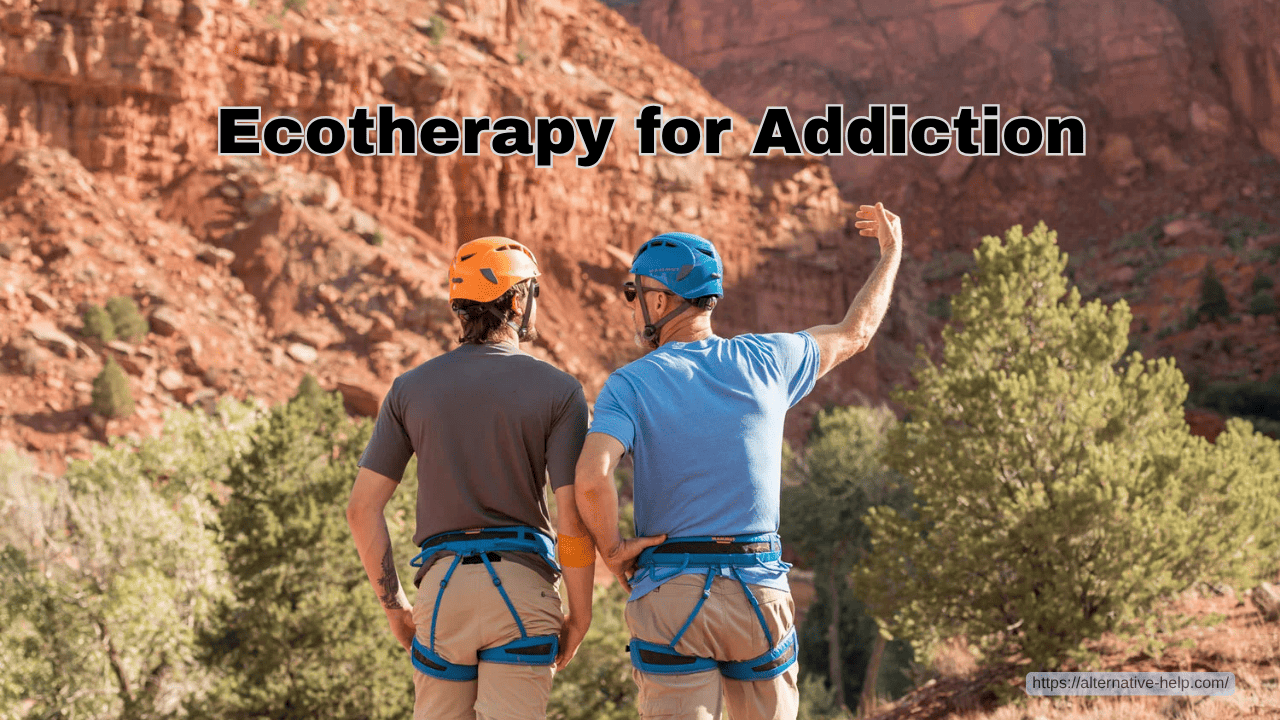
Ecotherapy for Addiction: Can Quiet Time in Nature Strengthen Your Recovery?

Recovery is about rebuilding a healthy relationship with yourself, others, and the world around you. For many people, addiction creates disconnection—a separation from peace, purpose, and balance. Ecotherapy, or nature-based therapy, helps bridge that gap by reintroducing individuals to the healing power of the natural world. Quiet moments outdoors, surrounded by fresh air and natural beauty, can help calm the mind, regulate emotions, and strengthen the journey toward long-term sobriety.

What Is Ecotherapy?

Ecotherapy is a form of treatment that integrates time spent in nature with traditional therapeutic practices. It is based on a simple yet powerful concept: humans are deeply connected to the natural world, and spending time outdoors supports emotional and psychological healing. This approach can include mindful walks, gardening, wilderness therapy, or simply quiet reflection in a natural setting.

For individuals recovering from addiction, ecotherapy offers a healthy way to manage stress, reduce anxiety, and reconnect with inner calm. It can be practiced alone or guided by trained professionals who incorporate mindfulness, breathing techniques, and reflective exercises to deepen the healing process.

The Science Behind Nature’s Healing Power

Research shows that spending time in natural environments lowers cortisol levels, decreases symptoms of depression, and enhances focus. For people in recovery, these benefits are especially important. Stress and emotional imbalance are among the most common triggers for relapse. Nature provides a natural buffer, helping individuals stay grounded and present.

Time outdoors also encourages mindfulness, which teaches people to stay aware of their thoughts and emotions without judgment. Whether it is the sound of leaves in the wind or the warmth of sunlight on the skin, connecting with the senses can shift focus away from cravings and toward peaceful awareness.

How Ecotherapy Supports Addiction Recovery

Ecotherapy is not meant to replace medical or psychological treatment but to enhance it. When combined with therapy, counseling, and holistic recovery programs, nature-based healing can strengthen emotional stability and foster spiritual growth.

Key ways ecotherapy supports recovery:

  • Reduces stress and anxiety: Natural surroundings promote relaxation and lower tension.

  • Improves mood: Regular time in nature increases serotonin and dopamine, improving mental well-being.

  • Builds resilience: Outdoor activities foster patience, discipline, and problem-solving skills.

  • Encourages mindfulness: Nature encourages awareness and gratitude, reducing emotional reactivity.

  • Restores connection: Many find that being in nature reignites a sense of purpose and belonging.

Integrating Ecotherapy into a Holistic Recovery Plan

At Alternative Help, recovery is about healing the whole person—body, mind, and spirit. Ecotherapy fits seamlessly into this approach, complementing traditional therapies and faith-based practices. Clients are encouraged to explore outdoor activities such as mindful walking, meditation, or gardening as part of their ongoing care. These gentle practices reinforce the lessons learned in therapy and provide real-world coping tools that support long-term recovery.

Finding Stillness and Strength in Nature

One of the most powerful aspects of ecotherapy is its simplicity. Quiet time in nature invites stillness—the kind of peaceful presence that many people in recovery crave. It reminds us that healing does not always require noise or intensity. Sometimes, it begins with the sound of birds, the rustle of trees, and the gentle rhythm of breathing in sync with the world around us.

Take the Next Step Toward Healing

Recovery is not a single event. It is a lifelong journey of learning, growing, and reconnecting. If you or someone you love is seeking holistic addiction treatment, Alternative Help offers compassionate care that blends clinical expertise with holistic and faith-based therapies. Reach out today to learn how our individualized programs and supportive environment can help you find balance, strength, and peace—both within yourself and in the world around you.

Breaking Free: How Camping and Outdoor Challenges Help Overcome Addiction

Recovery is not only about breaking the physical cycle of addiction. It is about learning new ways to cope, rediscovering purpose, and building resilience. While counseling, medical treatment, and support groups form the backbone of recovery, holistic approaches such as camping and outdoor challenges offer unique opportunities for growth. Immersing oneself in nature provides perspective, teaches valuable skills, and fosters confidence, all of which are essential for lasting sobriety.

The Transformative Power of the Outdoors

Nature has an undeniable ability to heal. Away from the pressures of daily life, camping strips things back to the essentials: shelter, food, and connection. For people in recovery, this simplicity helps quiet the noise of cravings, stress, and negative thoughts. Outdoor challenges, whether hiking a trail or learning survival skills, push participants beyond their comfort zones, encouraging growth in both body and mind.

Why Camping Supports Sobriety

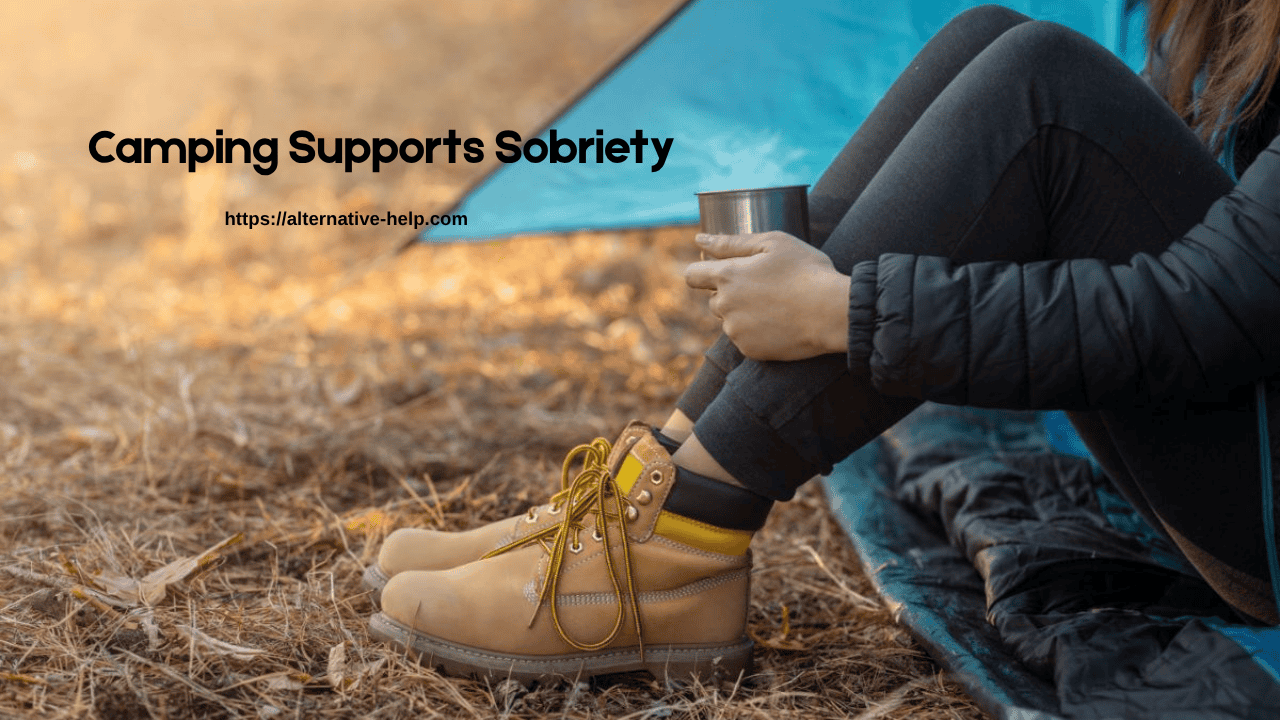
Camping is more than a recreational activity. In the context of recovery, it becomes a therapeutic experience. Setting up camp, cooking meals outdoors, and sharing stories by a fire foster mindfulness and teamwork. The natural setting also provides space for reflection and self-discovery, helping individuals reconnect with values and goals that addiction may have obscured.

Benefits of camping in recovery include:

  • Stress reduction: Time outdoors lowers cortisol levels and calms the nervous system.

  • Mindfulness: Simple tasks encourage presence and focus.

  • Community: Group camping builds trust, accountability, and social support.

  • Self-reliance: Overcoming outdoor challenges strengthens problem-solving skills and confidence.

Outdoor Challenges and Building Resilience

Recovery often involves facing obstacles and learning how to move through them without turning back to substances. Outdoor challenges mirror this process in tangible ways. Climbing a hill, navigating a trail, or building a shelter may seem daunting at first, but completing these tasks reinforces the belief that obstacles can be overcome. This sense of accomplishment builds resilience, an essential skill for maintaining long-term sobriety.

A Holistic Approach to Healing

At Alternative Help, treatment is not one-size-fits-all. Camping and outdoor therapies are part of a broader approach that combines medical care, counseling, faith-based guidance, and individualized support. By integrating nature-based experiences into recovery plans, clients gain tools that complement traditional treatment methods. These practices help strengthen emotional well-being, promote spiritual connection, and encourage personal growth.

Rediscovering Joy and Purpose

Addiction often robs individuals of joy and a sense of purpose. Outdoor therapy reminds people of the beauty and adventure life still holds. The fresh air, shared laughter, and sense of achievement that come from camping and outdoor challenges offer a glimpse into what a fulfilling life in sobriety can look like.

Take the Next Step

Healing requires courage, and every step taken outdoors can reflect the greater journey of recovery. Camping and outdoor challenges are not just about survival skills. They are about building confidence, reconnecting with self, and embracing the possibility of lasting sobriety.

At Alternative Help, we guide individuals through compassionate, personalized programs that combine proven clinical care with holistic therapies like outdoor challenges. If you or someone you love is ready to take the next step, reach out today to begin building a stronger, healthier future.

Mindful Walks & Recovery: How Nature Walks Support Emotional Healing

The path to addiction recovery is rarely straight or simple. It requires physical healing, emotional growth, and mental resilience. While traditional treatment methods like therapy and medical support play a critical role, many individuals are finding that reconnecting with nature through mindful walks offers a unique way to reduce stress, manage cravings, and restore emotional balance. By combining mindfulness with time spent outdoors, nature walks can become a powerful tool in supporting long-term recovery and mental health.

The Healing Power of Nature in Recovery

Research continues to show that time in nature lowers stress hormones, reduces anxiety, and improves mood. For individuals in recovery, these benefits are more than pleasant side effects. They help regulate the nervous system, calm overwhelming emotions, and create space for reflection. When addiction often leaves people feeling disconnected from themselves and their environment, being outdoors can help restore a sense of belonging and peace.

What Makes a Walk Mindful?

A simple walk becomes a mindful practice when it shifts from movement to awareness. Instead of rushing or distracting yourself, mindful walking invites you to notice your breath, the rhythm of your steps, and the natural world around you. This practice quiets racing thoughts and builds the ability to stay present. For people in recovery, mindfulness is especially valuable because it reduces the urge to dwell on the past or worry about the future, which are common triggers for relapse.

Key elements of mindful walking include:

  • Focusing on the breath and movement of the body.
  • Observing nature without judgment, whether it is the sound of birds or the feel of the breeze.
  • Practicing gratitude for the present moment.
  • Letting go of distractions like phones or negative thoughts.

How Nature Walks Support Addiction Recovery

Mindful walks support sobriety in several ways. First, they provide a healthy coping tool for managing cravings and emotional distress. Instead of turning to substances, individuals can turn to the grounding effects of nature. Second, mindful walking builds resilience by training the mind to tolerate discomfort without needing escape. Finally, these walks often spark feelings of connection, whether to nature, a higher power, or oneself, which is vital for long-term healing.

Integrating Mindful Walks into Treatment

Many treatment centers, including those at Alternative Help, encourage holistic approaches to recovery. Mindful nature walks can be incorporated alongside counseling, support groups, and medical care. They do not replace traditional therapies but enhance them, offering a simple practice that clients can continue long after inpatient or outpatient care ends. With guidance, even short daily walks can become a cornerstone of ongoing wellness.

A Step Toward Emotional Healing

Mindful walks remind us that healing does not always require complicated tools. Sometimes, the act of slowing down, breathing deeply, and connecting with the natural world is enough to shift perspective and bring peace. For those navigating the challenges of recovery, nature can serve as both a refuge and a guide.

Take the Next Step

If you or someone you love is seeking addiction recovery support, remember that healing requires more than breaking free from substances. It is about rebuilding the mind, body, and spirit. At Alternative Help, we combine proven clinical care with holistic therapies to support lasting recovery. Reach out today to learn how our compassionate programs can help you or your loved one begin the journey to wellness.

Wilderness Therapy Explained: Rebuilding Resilience Through Adventure and Sobriety

Addiction recovery is not only about breaking free from substances. It is also about rediscovering inner strength, learning healthy coping skills, and building resilience for long-term sobriety. Wilderness therapy, sometimes called adventure-based therapy, has become an innovative and powerful approach in the field of recovery. By stepping outside of traditional treatment settings and into the healing embrace of nature, individuals can gain new perspectives, strengthen confidence, and develop tools for lasting change.

What Is Wilderness Therapy?

Wilderness therapy combines outdoor adventure experiences with therapeutic guidance. Activities such as hiking, camping, climbing, and group challenges are paired with professional support to create a structured environment for growth. Unlike recreational trips, wilderness therapy is intentionally designed to foster resilience, mindfulness, and emotional healing. It helps participants confront personal challenges in safe but demanding settings, promoting both physical and mental strength.

Why Wilderness Therapy Works in Addiction Recovery

Wilderness therapy is effective because it connects people to both the natural world and their own inner capabilities. Addiction often leaves individuals feeling disconnected, overwhelmed, or powerless. Being outdoors provides a reset. Away from daily distractions and stressors, people in recovery can focus fully on healing.

  • Building Resilience: Facing outdoor challenges mirrors the obstacles of recovery. Completing a hike or navigating rough terrain reinforces perseverance and self-belief.
  • Strengthening Mindfulness: Nature promotes presence. Participants learn to slow down, notice their surroundings, and regulate emotions.
  • Encouraging Connection: Group-based wilderness activities foster teamwork, trust, and supportive relationships.
  • Improving Mental Health: Research shows time spent in nature lowers anxiety, reduces depression, and improves overall mood.

Wilderness Therapy in Holistic Treatment Plans

At Alternative Help, we understand that every recovery journey is unique. Wilderness therapy can be integrated into broader treatment plans that include inpatient or outpatient care, counseling, and medical support. The combination of professional therapy and experiential learning ensures individuals receive both clinical guidance and real-world practice in building resilience.

Faith-Based and Spiritual Dimensions

For those seeking faith-based recovery, wilderness therapy can be a deeply spiritual experience. Spending time in the quiet strength of the natural world often inspires reflection, gratitude, and connection to something greater than oneself. This spiritual renewal can be a powerful source of hope and encouragement for long-term sobriety.

The Lasting Impact of Outdoor Healing

The skills learned through wilderness therapy do not end when the trip is over. Participants often report greater confidence, improved communication, and stronger stress-management techniques. These lessons translate into everyday life, supporting sobriety and mental health long after the outdoor experience.

Choosing Adventure as a Path to Healing

Wilderness therapy offers more than an escape from daily life. It provides an active, transformative way to rebuild resilience, rediscover purpose, and strengthen sobriety. At Alternative Help, we believe in holistic approaches that honor the whole person, addressing body, mind, and spirit. If you or a loved one are seeking a recovery path that combines professional care with the healing power of nature, wilderness therapy may be the next step. Reach out today to begin your journey toward lasting recovery.

Forest Bathing for Recovery: Can Ecotherapy Reduce Cravings and Stress?

Addiction recovery is a deeply personal journey that often requires a combination of medical treatment, therapy, and lifestyle changes. In recent years, holistic practices like forest bathing, also known as shinrin-yoku, have gained attention for their potential to support recovery. Forest bathing is not about exercise or hiking but about slowing down, breathing deeply, and immersing oneself in the sights, sounds, and sensations of the natural world. For those seeking sobriety, ecotherapy offers a calming, restorative path that may reduce cravings and ease the stress that often fuels addiction.

What Is Forest Bathing?

Originating in Japan, forest bathing is a therapeutic practice that encourages individuals to spend intentional, mindful time in nature. Unlike traditional outdoor recreation, forest bathing emphasizes sensory awareness and presence. This means noticing the rustle of leaves, inhaling the scent of pine, or simply sitting quietly among trees. Studies show that such practices lower cortisol levels, reduce blood pressure, and boost mood, all of which can support recovery.

The Link Between Stress, Cravings, and Addiction

Stress is one of the most common triggers for relapse. When the nervous system is overwhelmed, cravings for substances may feel stronger and more difficult to resist. Forest bathing directly addresses this issue by calming the nervous system and creating a space for reflection and mindfulness. By practicing relaxation in nature, individuals can strengthen coping mechanisms and build resilience against stress.

How Forest Bathing Supports Recovery

  • Reducing Cravings: Time in nature can interrupt cycles of rumination and cravings by grounding individuals in the present moment.
  • Improving Mental Health: Forest bathing has been linked to lower rates of anxiety and depression, which often accompany addiction.
  • Promoting Mindfulness: Sobriety requires awareness of triggers and emotions. Forest bathing encourages mindfulness without pressure or judgment.
  • Enhancing Physical Health: Exposure to fresh air and natural environments improves sleep, immunity, and overall well-being.

Integrating Ecotherapy into Treatment

At Alternative Help, holistic healing is central to our addiction recovery programs. Ecotherapy practices like forest bathing can complement inpatient and outpatient care by offering safe, restorative environments that encourage healing of both mind and body. Whether it is guided group sessions in nearby natural spaces or individual mindfulness walks, ecotherapy is tailored to meet each client’s unique needs.

Faith-Based and Holistic Dimensions

For many, forest bathing can also hold spiritual significance. Time in nature often fosters feelings of connection, peace, and gratitude. Within a faith-based recovery approach, these moments of quiet reflection can deepen spiritual practices and strengthen hope for lasting sobriety. Combined with clinical therapies, forest bathing becomes a powerful tool for whole-person healing.

A Natural Path to Healing

Forest bathing may seem simple, but its impact on stress reduction and craving management makes it a powerful ally in addiction recovery. By slowing down and reconnecting with nature, individuals in recovery can find new ways to restore balance, resilience, and peace of mind. At Alternative Help, we believe in holistic, compassionate care that honors every aspect of healing. If you or a loved one is ready to explore how ecotherapy can support recovery, reach out today to begin a journey toward lasting wellness.

From Hiking Trails to Healing: Outdoor Therapy’s Role in Long-Term Sobriety

Recovery from addiction is a journey that requires resilience, support, and opportunities to reconnect with oneself and the world. While traditional treatments like counseling, group therapy, and medication-assisted care remain essential, many individuals benefit from holistic approaches that support mind, body, and spirit. Outdoor therapy is one such method, offering transformative experiences that foster long-term sobriety through engagement with nature and structured activities.

Understanding Outdoor Therapy

Outdoor therapy, sometimes called wilderness therapy or ecotherapy, combines therapeutic principles with guided experiences in natural settings. Activities may include hiking, nature walks, team-based challenges, or mindful observation in forests, gardens, or other outdoor spaces. The goal is to use the restorative qualities of nature to enhance emotional regulation, reduce stress, and promote self-awareness.

Why Nature Matters in Recovery

Addiction often creates a disconnection from the body, mind, and environment. Outdoor therapy provides a space to rebuild these connections. The natural world offers sensory engagement, calm, and a sense of presence that is difficult to achieve in conventional indoor settings. Research indicates that exposure to nature can reduce anxiety, elevate mood, and improve cognitive function, all of which support sustained recovery.

Physical and Emotional Benefits

Outdoor therapy has several key benefits for individuals in recovery:

  • Stress Reduction: Natural surroundings reduce cortisol levels and help manage triggers associated with cravings.
  • Enhanced Mindfulness: Engaging with nature encourages living in the present moment, which is critical for relapse prevention.
  • Physical Activity: Hiking and other outdoor exercises improve physical health, which often suffers during addiction.
  • Building Resilience: Challenges presented in nature-based activities teach problem-solving, adaptability, and confidence.

Integrating Outdoor Therapy with Mental Health Treatment

Many individuals in recovery also face mental health challenges such as anxiety, depression, or trauma. Outdoor therapy complements traditional clinical treatments by providing emotional relief and fostering resilience. At Alternative Help, outdoor therapy is integrated into both inpatient and outpatient programs. These activities are tailored to individual needs, whether a participant requires a gentle nature walk for relaxation or an immersive wilderness challenge to build strength and teamwork.

Holistic and Faith-Based Approaches

Outdoor therapy aligns with holistic and faith-based approaches that recognize the interconnection of mind, body, and spirit. Time in nature allows for reflection, meditation, and spiritual connection, supporting the emotional and spiritual dimensions of recovery. Group-based outdoor experiences can also cultivate a sense of community, belonging, and mutual support, which are vital for long-term sobriety.

Real-Life Impact

Participants often report improved mood, greater self-awareness, and a renewed sense of purpose after engaging in outdoor therapy. Beyond emotional benefits, these experiences encourage healthier routines, enhance social bonds, and strengthen coping mechanisms. By learning to navigate both physical trails and personal challenges, individuals gain skills that extend into daily life and support ongoing recovery.

Taking the Next Step

Outdoor therapy offers a meaningful complement to conventional addiction and mental health treatments. At Alternative Help, we provide personalized programs that incorporate outdoor experiences to promote healing, resilience, and long-term sobriety. If you or a loved one is seeking a holistic, compassionate approach to recovery, reach out today to learn how outdoor therapy can help transform the journey toward lasting wellness.

Nature as Medicine: How Outdoor Therapy Boosts Addiction Recovery and Mental Health

For many people struggling with addiction or mental health challenges, the path to recovery can feel overwhelming. Traditional treatments like therapy, medication, and support groups play essential roles, but healing often goes deeper than clinical care alone. At Alternative Help, we believe that reconnecting with nature is more than a retreat—it’s a vital part of long-term healing. Outdoor therapy offers a unique and effective way to support recovery, helping individuals regain balance, clarity, and purpose.

The Healing Power of the Natural World

Outdoor therapy, sometimes called ecotherapy or nature-based therapy, involves guided experiences in natural settings to support mental, emotional, and physical well-being. Activities may include hiking, gardening, animal care, mindfulness walks, or simply spending quiet time in a forest or garden. These experiences promote a sense of calm, reduce stress, and help individuals reconnect with themselves in a peaceful, non-judgmental environment.

How Nature Supports Addiction Recovery

Addiction disrupts every aspect of a person’s life: mind, body, and spirit. Outdoor therapy offers healing on all three levels:

  • Stress Reduction: Nature naturally lowers cortisol levels, helping to ease anxiety and cravings during recovery.
  • Mindfulness and Presence: Time in nature encourages awareness of the present moment, which is key in relapse prevention.
  • Physical Movement: Activities like walking or gardening gently reintroduce healthy movement, improving mood and energy levels.
  • New Habits and Routines: Outdoor therapy creates space for individuals to develop new, meaningful routines that support sobriety.

Nature’s Role in Mental Health Treatment

Depression, anxiety, PTSD, and trauma often accompany addiction. Nature-based therapies provide an emotionally safe space where individuals can explore and process difficult emotions without the pressure of traditional settings. The sensory experiences of nature—the feel of sunlight, the sound of leaves, the rhythm of walking on a trail—can ground individuals and promote nervous system regulation.

Many participants report reduced symptoms of anxiety and depression after consistent time in outdoor environments. In addition, outdoor therapy helps build self-esteem and resilience, two key components of emotional recovery.

Holistic and Individualized Healing

At Alternative Help, we honor the uniqueness of every person who walks through our doors. That’s why we integrate outdoor therapy into our faith-based and holistic programs, whether you’re in inpatient or outpatient care. These experiences are never one-size-fits-all. Instead, we tailor activities based on your comfort level, interests, and treatment goals. Whether it’s a quiet morning in a garden or an active group hike, outdoor therapy is a tool we use to strengthen your recovery journey.

Real-Life Impact of Outdoor Therapy

Outdoor therapy often complements other services such as trauma-informed counseling, group therapy, and mindfulness training. It also fosters a sense of community, especially in group activities. Shared experiences in nature can rebuild trust, improve communication, and reduce feelings of isolation. Many individuals discover newfound confidence and clarity simply by engaging with the natural world.

Take the Next Step Toward Healing

Nature has an incredible ability to restore what addiction has taken away. At Alternative Help, we invite you to experience how outdoor therapy can support your journey to lasting recovery. Whether you’re taking your first step or continuing the path toward wellness, we are here to walk alongside you. Reach out today to learn how our holistic programs can help you reconnect with yourself and the world around you.

The Power of Touch: Exploring Massage Therapy and Energy Healing in Addiction Recovery

Addiction recovery is a holistic process that requires healing the body, mind, and spirit. While counseling, medication, and support groups are vital components of treatment, complementary therapies like massage therapy and energy healing are gaining attention for their role in promoting wellness during recovery. These touch-based therapies help release physical tension, calm the nervous system, and restore emotional balance, offering individuals in recovery additional tools to support their sobriety.

The Role of Massage Therapy in Recovery

Massage therapy is the practice of manipulating the body’s soft tissues to improve health and well-being. For individuals recovering from addiction, massage offers numerous therapeutic benefits:

  1. Reducing Physical Pain: Substance abuse often leaves lasting effects on the body, such as muscle tension, headaches, or chronic pain. Massage helps relieve these symptoms, making the body more comfortable during the healing process.
  2. Alleviating Anxiety and Depression: Massage triggers the release of endorphins and serotonin, natural mood enhancers that help reduce anxiety and lift depressive feelings.
  3. Improving Sleep: Insomnia is common during early recovery. Regular massage can promote deeper, more restful sleep by calming the nervous system.
  4. Supporting Detoxification: Massage improves circulation and lymphatic flow, assisting the body in eliminating toxins—a crucial step in the early stages of recovery.

Energy Healing for Emotional Balance

Energy healing therapies such as Reiki, Healing Touch, and Qi Gong focus on balancing the body’s energy fields to promote emotional and physical healing. According to these practices, addiction disrupts the natural flow of energy in the body, contributing to emotional pain, stress, and illness. By restoring balance, energy healing can provide emotional relief and help individuals reconnect with their inner sense of peace.

Benefits of Energy Healing in Recovery

  1. Stress Reduction: Energy healing induces deep relaxation, which helps reduce stress and prevents relapse triggered by emotional overwhelm.
  2. Emotional Release: Traumatic memories and suppressed emotions often surface during recovery. Energy healing provides a safe space for releasing emotional blockages without verbal processing.
  3. Enhancing Self-Awareness: These therapies encourage mindfulness and a greater awareness of the body and mind, fostering emotional resilience.
  4. Spiritual Connection: For many, energy healing promotes a sense of spiritual connection, which can be a vital source of strength during recovery.

Integrating Touch-Based Therapies with Traditional Treatment

Massage therapy and energy healing are most effective when used as part of a comprehensive recovery plan that includes medical care, psychotherapy, and peer support. These therapies offer a gentle, non-invasive complement to traditional treatments, addressing the physical and emotional wounds caused by addiction.

Conclusion

The power of touch—whether through massage or energy healing—offers significant benefits for individuals in addiction recovery. By calming the nervous system, easing physical discomfort, and promoting emotional healing, these therapies support holistic recovery. Incorporating touch-based healing into addiction treatment can help individuals reconnect with their bodies, reduce stress, and create a more balanced, healthy life in sobriety.

Faith, Spirituality, and Sobriety: Alternative Paths to Healing from Addiction

Addiction is not only a physical dependency but also a condition that deeply affects the emotional and spiritual well-being of individuals. For many people in recovery, faith and spirituality serve as powerful tools for healing. While clinical treatments such as counseling and medication are vital, incorporating spiritual practices into recovery offers a complementary path that nurtures the soul and strengthens inner resolve.

The Role of Faith in Recovery

Faith-based recovery emphasizes reliance on a higher power, offering individuals a source of comfort, purpose, and moral guidance. Many programs, such as Alcoholics Anonymous (AA) and Narcotics Anonymous (NA), include spiritual principles in their approach. These programs encourage individuals to surrender control, admit their struggles, and seek strength through a power greater than themselves.

Faith can provide:

  • Hope and Inspiration: Belief in something greater can inspire individuals to believe in their own capacity to change.
  • Moral Structure: Religious teachings often promote values like honesty, humility, and compassion, which align with sober living.
  • Community Support: Faith-based groups and religious institutions can offer a strong, supportive network to aid recovery.

Spirituality Beyond Religion

Spirituality doesn’t have to be religious. It can be a personal journey of finding meaning, inner peace, and connection with oneself and the world. Practices like meditation, mindfulness, nature walks, yoga, and journaling help individuals reconnect with their inner selves and foster emotional clarity.

Spirituality supports recovery by:

  • Promoting Self-Awareness: Spiritual practices encourage introspection and reflection, essential for personal growth.
  • Reducing Stress: Activities like prayer and meditation help quiet the mind and reduce anxiety.
  • Providing Purpose: Many people find motivation to stay sober when they feel their life has deeper meaning.

Combining Spirituality with Clinical Treatment

While spirituality can be deeply healing, it is most effective when used alongside traditional addiction treatments. Combining faith or spiritual practices with therapy, medication, and group support provides a comprehensive approach to recovery. Treatment centers are increasingly offering integrated programs that respect and incorporate an individual’s spiritual beliefs.

Some examples include:

  • Spiritual counseling or pastoral care
  • Mindfulness-based relapse prevention
  • Holistic treatment plans including prayer, meditation, or yoga

Challenges and Considerations

Not everyone feels comfortable with faith-based recovery, especially if they have had negative experiences with religion. It’s important for recovery programs to respect personal beliefs and provide flexible options that accommodate both religious and non-religious spiritual needs.

Conclusion

Faith and spirituality can serve as powerful anchors in the storm of addiction recovery. Whether through organized religion or personal spiritual practice, these paths offer hope, healing, and a renewed sense of purpose. By addressing the spiritual dimension of recovery, individuals can achieve deeper transformation and lasting sobriety. As the recovery journey continues, faith and spirituality can light the way to a life of meaning, balance, and peace.