Detox is often the first step in recovery, but it is just the beginning. True healing requires more than simply managing withdrawal symptoms. Inpatient and outpatient care provide the structure, support, and therapeutic interventions necessary to address the root causes of addiction and mental health challenges. At Alternative Help, we focus on individualized treatment plans that combine evidence-based therapies, holistic practices, and compassionate care to ensure lasting recovery.
Understanding the Difference Between Inpatient and Outpatient Care
Choosing the right level of care can feel overwhelming. Understanding the differences between inpatient and outpatient programs helps individuals and families make informed decisions.
Inpatient Care: Intensive Support in a Structured Environment
Inpatient care provides a residential setting where individuals live at the treatment facility for a specified period. This level of care is ideal for those who need constant medical supervision, intensive therapy, or a safe, distraction-free environment to focus on recovery.
Inpatient programs typically include:
- Medical and psychiatric monitoring to manage withdrawal symptoms and co-occurring mental health conditions.
- Individual and group therapy to address underlying causes of addiction.
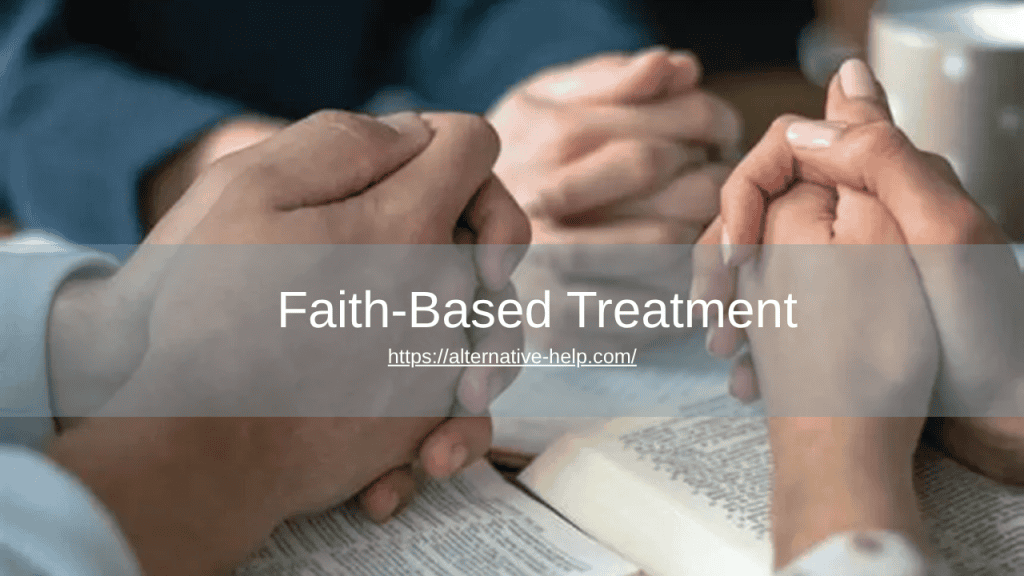
- Holistic and faith-based approaches, such as mindfulness, yoga, and spiritual counseling, to support mental, emotional, and physical well-being.
- Life skills and relapse prevention training to prepare for reintegration into daily life.
The structured environment of inpatient care provides stability and support during the critical early stages of recovery, setting a strong foundation for long-term success.
Outpatient Care: Flexibility and Continued Support
Outpatient programs offer treatment while allowing individuals to maintain responsibilities at home, work, or school. This level of care is suitable for those who have completed detox or inpatient treatment, or for individuals with milder symptoms who require guidance and therapy without full-time residency.
Outpatient care often includes:
- Regular therapy sessions, both individual and group, to address addiction and mental health issues.
- Medication management for co-occurring disorders.
- Support groups and peer counseling to build community and accountability.
- Personalized wellness plans that integrate exercise, nutrition, and stress management techniques.
Outpatient programs provide flexibility while ensuring continuous professional support, helping individuals maintain recovery progress while navigating real-life challenges.
Why Comprehensive Care Matters
Addiction and mental health are deeply interconnected. Treating one without addressing the other can lead to relapse or setbacks. Personalized recovery plans that incorporate both inpatient and outpatient care ensure a comprehensive approach. By combining medical supervision, therapy, holistic practices, and ongoing support, individuals receive the tools needed to rebuild their lives.
How to Determine the Right Level of Care
The choice between inpatient and outpatient care depends on several factors:
- Severity of addiction and withdrawal symptoms
- Presence of co-occurring mental health disorders
- Personal responsibilities and support systems
- Past treatment history and risk of relapse
A professional assessment can guide this decision, ensuring each person receives the most appropriate and effective care.
Taking the Next Step in Recovery
Recovery is a journey that extends beyond detox. Inpatient and outpatient programs provide the guidance, structure, and personalized care essential for lasting change. If you or a loved one is struggling with addiction or mental health challenges, reaching out to a trusted treatment provider like Alternative Help is the first step toward a healthier future.
Conclusion
Addiction recovery is about more than stopping substance use. It is about addressing underlying issues, building resilience, and creating a sustainable path to wellness. Inpatient and outpatient care offer complementary levels of support that meet individuals where they are in their recovery journey. Personalized, compassionate, and evidence-based treatment ensures that every person has the opportunity to thrive. Contact Alternative Help today to explore the right program for you and take the first step toward long-term recovery.