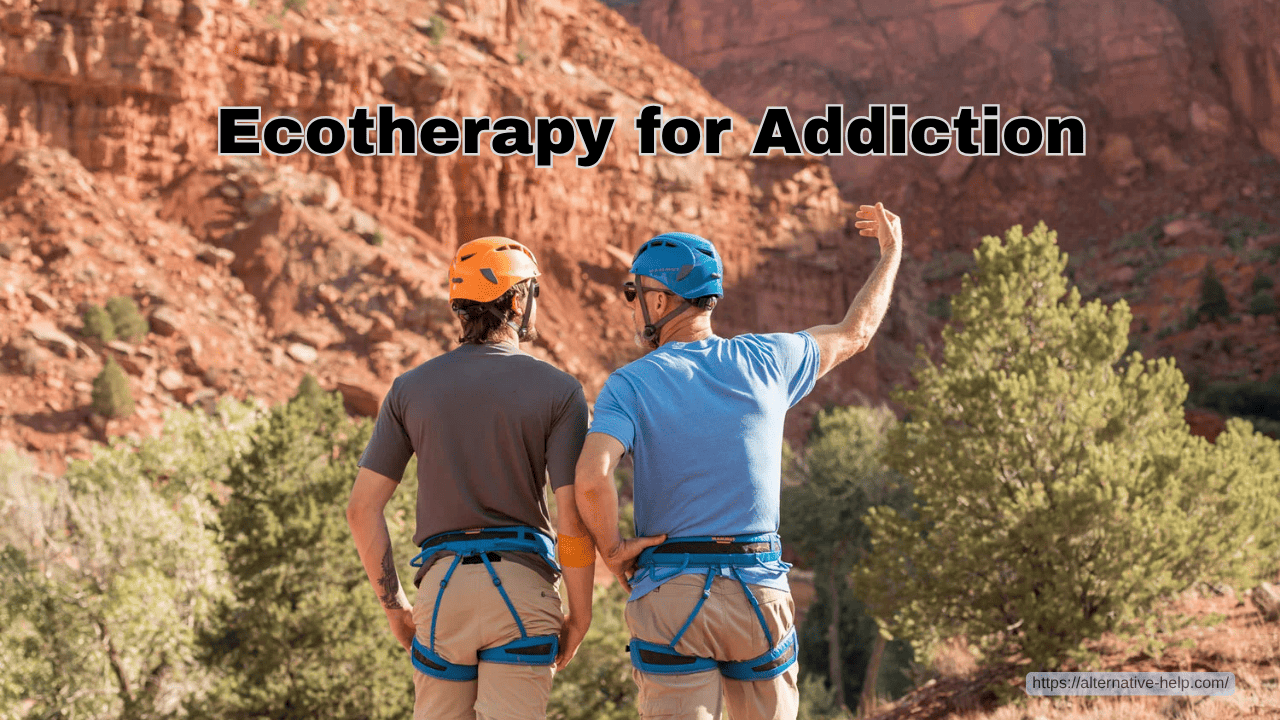
Recovery from addiction is about more than abstaining from substances. It is about reconnecting with oneself, regaining emotional balance, and discovering meaningful ways to cope with stress and triggers. For many individuals, holistic approaches like gardening, nature walks, and other forms of gentle outdoor therapy provide valuable tools for emotional healing, mindfulness, and long-term resilience. These practices complement traditional treatment methods and help foster a sense of calm, purpose, and connection.
The Benefits of Nature in Addiction Recovery
Nature offers a unique environment for healing. Spending time outdoors can reduce stress, lower anxiety, and improve mood—all critical components in maintaining sobriety. For people in recovery, nature provides a safe space to pause, reflect, and engage with the present moment without distractions. The sensory experience of being outdoors—the feel of soil, the sound of birds, or the sight of a green landscape—can be profoundly grounding and restorative.
Gardening as a Therapeutic Practice
Gardening is more than a hobby; it is a form of active therapy. Working with soil and plants requires patience, consistency, and care—qualities that are essential in recovery. Watching seeds grow into plants provides a tangible sense of accomplishment and hope.
Key Benefits of Gardening in Recovery:
- Mindfulness and focus: Gardening encourages attention to the present moment, reducing intrusive thoughts and cravings.
- Routine and structure: Regular care for plants helps establish healthy daily habits.
- Emotional regulation: Nurturing living things promotes empathy and patience, which support emotional stability.
- Physical activity: Gardening improves strength, flexibility, and overall well-being.
Nature Walks: Gentle Movement for the Mind
Mindful walking in natural settings is another powerful tool for recovery. Unlike high-intensity exercise, nature walks allow participants to move at their own pace while practicing mindfulness. Observing the environment, listening to natural sounds, and feeling each step fosters presence and awareness. These practices help individuals process emotions, reduce stress, and cultivate a sense of peace.
How Nature Walks Support Recovery:
- Stress reduction: Walking in green spaces lowers cortisol levels and promotes relaxation.
- Enhanced focus: Mindful observation during walks improves cognitive clarity.
- Emotional balance: Time in nature encourages reflection, reducing feelings of anxiety or depression.
- Connection: Walking with others strengthens community bonds and accountability.
Integrating Gentle Outdoor Therapy into Holistic Recovery
At Alternative Help, recovery is approached through a holistic lens, addressing the body, mind, and spirit. Gardening and nature walks are integrated into broader treatment programs that may include inpatient or outpatient care, counseling, and faith-based support. These practices reinforce lessons from therapy, offering hands-on experiences that nurture patience, mindfulness, and resilience.
Rediscovering Purpose and Joy
Addiction can leave individuals feeling disconnected from simple pleasures. Gardening, nature walks, and gentle outdoor activities remind people of the beauty in everyday moments. They provide a sense of accomplishment, grounding, and hope—reminding participants that recovery is not only possible but also rewarding.
Take the Next Step in Recovery
Healing is a journey that requires support, guidance, and personalized care. At Alternative Help, we combine evidence-based treatment with holistic and faith-based therapies to help individuals build lasting sobriety. Incorporating gentle outdoor therapy into your recovery plan can strengthen emotional resilience, reduce stress, and restore a sense of purpose.
Reach out today to learn how our compassionate programs can help you or a loved one reconnect with life, nature, and the path to lasting wellness.