Addiction rarely exists in isolation. Many individuals struggling with substance use also face co-occurring mental health disorders such as anxiety, depression, or post-traumatic stress disorder. Addressing only the addiction without treating the underlying mental health challenges can hinder recovery and increase the risk of relapse. At Alternative Help, we understand that effective treatment requires a comprehensive, individualized approach that addresses both addiction and mental health in tandem.
What Are Co‑Occurring Disorders?
Co-occurring disorders, sometimes called dual diagnoses, occur when an individual experiences both a substance use disorder and a mental health condition simultaneously. These disorders often interact, with one condition influencing the severity or progression of the other. For example, someone with untreated depression may use alcohol to self-medicate, which can intensify their symptoms and complicate recovery.
Recognizing and addressing co-occurring disorders early is critical. Integrated care ensures that treatment is coordinated, addressing both conditions in a way that promotes long-term wellness.
The Importance of Integrated Treatment
Traditional addiction treatment that focuses solely on substance use may not fully resolve the challenges faced by someone with a dual diagnosis. Integrated treatment combines therapy, medication management, and holistic support to target both addiction and mental health symptoms.
Comprehensive Assessment
The first step in integrated care is a thorough evaluation. Professionals assess the type and severity of substance use, screen for mental health disorders, and evaluate physical and social factors that may influence recovery. This assessment informs a personalized treatment plan that aligns with the individual’s unique needs.
Individualized Therapy Approaches
Therapy is a cornerstone of treatment for co-occurring disorders. Evidence-based methods such as cognitive behavioral therapy, dialectical behavior therapy, and motivational interviewing help individuals understand the connection between their mental health and substance use. Group therapy and peer support provide additional encouragement and perspective from others who have experienced similar challenges.
Holistic and Faith-Based Support
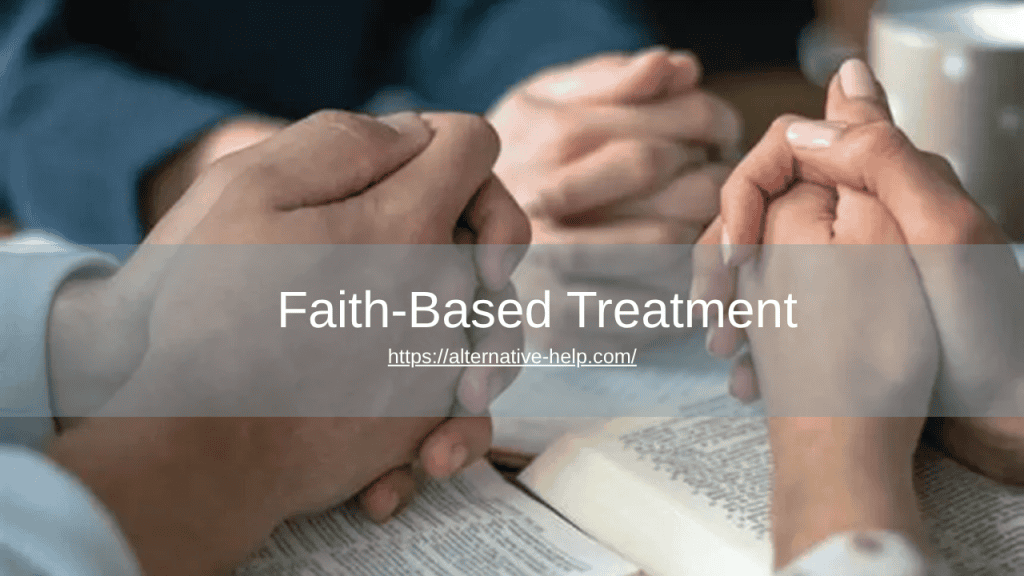
At Alternative Help, we recognize the value of addressing the mind, body, and spirit. Holistic practices such as mindfulness, yoga, meditation, and nutritional counseling complement traditional therapies, helping individuals manage stress, improve emotional regulation, and strengthen resilience. Faith-based options are also available for those seeking spiritual guidance as part of their recovery journey.
Ongoing Care and Relapse Prevention
Recovery does not end when formal treatment concludes. Personalized aftercare plans provide continued therapy, support group access, and strategies for managing triggers and stress. Individuals with co-occurring disorders benefit from structured follow-up, ensuring both mental health and addiction symptoms are monitored and addressed proactively.
Benefits of Addressing Co‑Occurring Disorders
Treating addiction and mental health together has significant advantages:
- Reduced risk of relapse by addressing the root causes of substance use.
- Improved mental and emotional well-being through comprehensive care.
- Greater engagement in treatment because therapy is tailored to the individual’s specific challenges.
- Enhanced coping strategies for managing stress, cravings, and mental health symptoms.
Taking the Next Step
If you or a loved one is struggling with both substance use and mental health challenges, seeking integrated treatment can make a profound difference. Alternative Help offers personalized programs that combine inpatient and outpatient care, holistic and faith-based support, and expert guidance to help individuals achieve lasting recovery.
Conclusion
Recovery is a journey that requires understanding, compassion, and a comprehensive approach. Addressing co-occurring mental health disorders alongside addiction is essential for long-term success. Integrated treatment not only reduces the risk of relapse but also promotes overall well-being, resilience, and personal growth. Take the first step today by reaching out to Alternative Help and exploring the individualized care options available. Your path to lasting recovery starts with understanding and support.